TopCashback UK: is it a scam? I've earned £2,038 in ten years
It looks almost too good to be true. A website that pays you cash for things you were going to buy anyway, with no subscription fee and no catch you can easily identify. I was sceptical too. That was ten years ago.
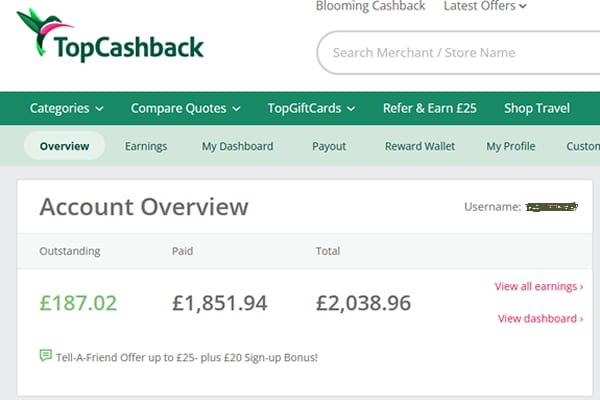
Let me answer the headline question immediately: no, TopCashback is not a scam. It is a legitimate cashback site that has been operating in the UK since 2005, has millions of members, and pays out real money for purchases made through its links. I know this because I have been using it for ten years and the evidence is sitting in my account.
That's my actual account. Over ten years of normal household spending, insurance renewals, travel, broadband, appliances, everyday shopping, I've received just over two thousand pounds that I would otherwise not have had. Not by doing anything unusual. Just by remembering to click through TopCashback before completing purchases I was going to make anyway.
The more interesting question isn't whether it works. It's how it works, what can go wrong, and how to make the most of it. Those are the things worth understanding before you sign up.
How cashback sites actually work
The mechanics are straightforward once you understand them. When you buy something online, retailers often pay a commission to whoever referred you, an affiliate payment. Normally that commission goes to a price comparison site, a blogger, or an ad network. TopCashback sits in the middle and passes most of that commission back to you as cashback.
TopCashback makes money by keeping a small percentage of the commission rather than passing it all on, which is why it's free to use. The "Plus" paid membership tier exists but the free membership is genuinely useful and what I use.
Where the money comes from
Not all purchases are equal. Some categories pay generously; others pay nothing. After ten years the categories that have delivered the most cashback for me are:
Insurance renewals are where a lot of the money accumulates quietly. Most people switch insurer every year or two anyway to get a better price. Doing it through TopCashback adds a further £30–£80 on top of whatever saving you've already negotiated, for about thirty seconds of extra effort.
Travel is the other big one. Booking hotels and flights through Expedia via TopCashback has earned me a meaningful percentage back on what are often significant spends. The cashback rate fluctuates, so it's worth checking on the day you book rather than assuming it's always the same.
What can go wrong, and usually doesn't
Cashback tracking is the area where things occasionally don't work as expected, and it's worth understanding why.
The cashback is tracked via a cookie in your browser. If you clear your cookies between clicking the TopCashback link and completing the purchase, the tracking is lost. If you use a different browser or device to complete the purchase, the tracking is lost. If you have ad blocking software that also blocks tracking cookies, the cashback may not track at all.
In practice, a small number of purchases over the years have failed to track. When this has happened, TopCashback's customer support team has been consistently helpful. They have a claims process for missing cashback that, in my experience, resolves the majority of cases, though it can take some time. The fact that a purchase occasionally doesn't track is not a sign that the system is fraudulent; it's a technical limitation of cookie-based tracking.
Three things that prevent cashback tracking: Clearing your cookies or using private/incognito browsing between the TopCashback click and purchase completion. Using a different device or browser to finish the transaction. Ad-blocking extensions that also block tracking cookies, you may need to pause these before clicking through for high-value cashback.
Cashback also takes time to confirm. Most purchases show as "pending" for weeks or months while the retailer confirms the transaction hasn't been returned. This is normal, it's how the commission structure works, but it does mean that what you see in your account isn't immediately spendable.
The voucher trick most people miss ★
This is the thing I wish someone had told me earlier, and it's where a reasonable amount of extra value comes from.
When withdrawing cashback, choose gift vouchers over cash. TopCashback offers an uplift, typically anywhere from 3% to 10% additional value, when you take your cashback as a retailer gift voucher rather than cash. A £100 cashback balance might become £108 in Marks & Spencer vouchers, or £110 in a restaurant gift card, depending on current offers.
Over time, if you're strategic about which vouchers you choose, this uplift compounds the value of everything you've earned. I tend to choose vouchers for things I'd spend money on anyway. Our local pub accepts the relevant vouchers, which means the cashback effectively subsidises a reasonable portion of our eating out. The uplift turns cashback into something slightly more than its face value, for no additional effort.
Check which vouchers carry the highest uplift at the point of withdrawal. It changes regularly and some offers are considerably better than others.
Is it worth signing up?
The honest verdict after ten years
The last point is worth dwelling on. Cashback sites are genuinely useful when they sit on top of purchases you were already going to make. They become actively harmful if they nudge you toward spending more, switching to a worse product, or choosing a provider on the basis of cashback rate rather than quality. The cashback should be invisible to the decision, a quiet bonus on something you'd have done anyway.
Used that way, it's one of the more straightforward ways to recover a meaningful sum from normal household spending over time. Two thousand pounds over ten years isn't life-changing, but it's a decent return for the habit of clicking a link before you buy something.
If you'd like to sign up to TopCashback, using my referral link means we both receive a bonus when you make your first cashback purchase. It costs nothing extra.
Sign up to TopCashback ★★ This is a referral link. I receive a bonus if you sign up and make a qualifying purchase. You pay nothing extra and receive the same cashback as any other member.